
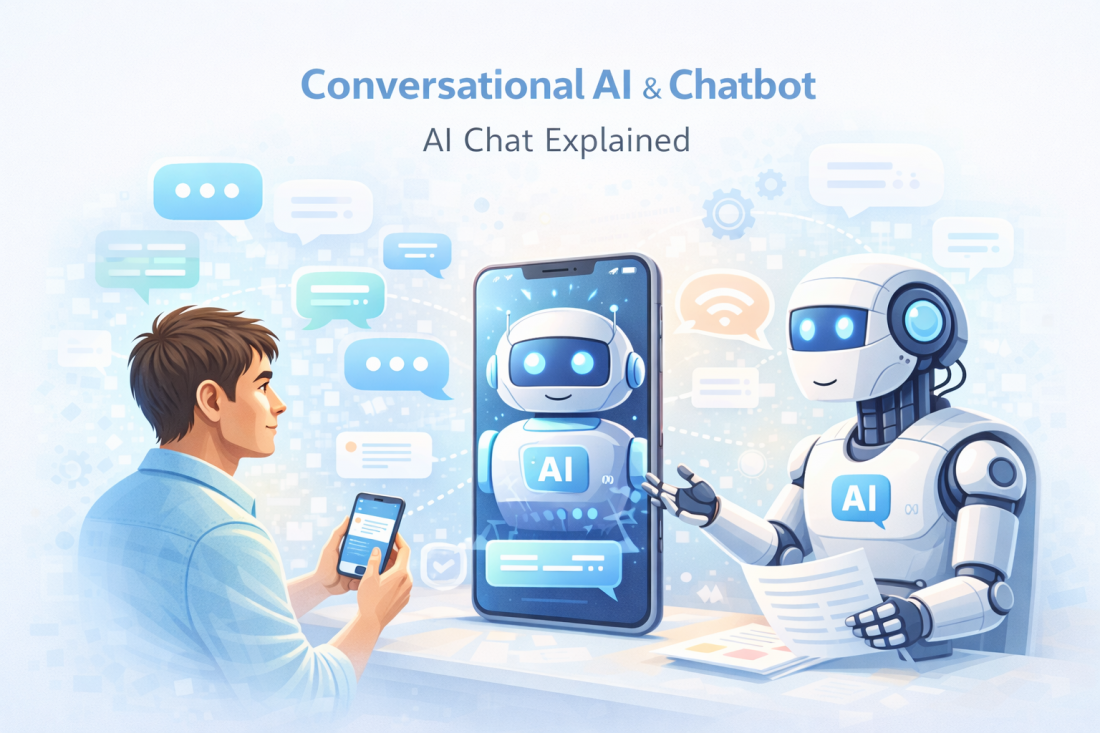
In today's digital age, the fusion of artificial intelligence and communication has led to the rise of Conversational AI. This innovative technology is transforming how we interact with machines, making interactions more human-like and efficient. This article explores the intricacies of Conversational AI, highlighting its components, functionalities and how it differs from traditional chatbots. Discover how you can leverage this cutting-edge technology to enhance your daily tasks and streamline your workflows.
Understanding Conversational AI
What is Conversational AI?
Conversational AI represents a significant leap in artificial intelligence, enabling machines to understand, process and respond to human language in a way that feels natural and intuitive. Unlike traditional systems that rely on pre-programmed responses, Conversational AI leverages machine learning and natural language processing to interpret the nuances of human communication. This form of Conversational AI allows for dynamic and context-aware interactions, making it an invaluable asset across various industries.
Components of Conversational AI
The effectiveness of any conversational AI system hinges on several key components working in harmony. These include:
- Natural Language Processing (NLP), which is crucial for understanding the meaning and intent behind user input.
- Machine learning algorithms, which enable the system to learn from each interaction, improving its accuracy and relevance over time.
Additionally, dialogue management ensures that the conversation flows logically, providing coherent and contextually appropriate responses. These components of Conversational AI collectively empower the AI to engage in meaningful dialogue.
How Conversational AI Works
Conversational AI works through a sophisticated process of interpreting user input, formulating a relevant response and delivering it in a human-like manner. When a user poses an inquiry, the AI algorithms analyze the text to understand the intent and context. The system then draws upon its knowledge base and previous interactions to generate an appropriate response. This response is carefully crafted to not only address the user's immediate needs but also to maintain the flow of the conversation. The use of Conversational AI enhances the overall user experience.
Conversational AI vs Traditional Chatbots
Defining Chatbots
Chatbots, as a type of Conversational AI, are computer programs designed to simulate conversation with human users, especially over the internet. Traditional chatbots often operate based on pre-defined rules and scripts. Their functionality usually involves:
- Scanning for keywords in user inquiries.
- Delivering a pre-written response based on those keywords.
Although simple and easy to implement, these chatbots offer limited flexibility and personalization, often leading to frustrating customer experiences.
Key Differences Between Conversational AI and Chatbots
Here's a breakdown of the key differences between Conversational AI and chatbots, focusing on their capabilities:
- Chatbots rely on scripted responses.
- Conversational AI, on the other hand, uses natural language processing and machine learning to understand and respond in a more human-like manner.
This allows Conversational AI to learn from interactions, personalize responses and handle complex inquiries, which ultimately greatly improve customer satisfaction.
Benefits of Using Conversational AI Over Traditional Chatbots
The benefits of using Conversational AI over traditional chatbots are significant, especially in enhancing customer experience and operational efficiency. Conversational AI systems offer personalized and context-aware interactions, leading to higher customer satisfaction. Moreover, they can automate a wider range of tasks, from answering complex inquiries to providing tailored recommendations. This advanced capability makes Conversational AI an invaluable asset for businesses looking to improve engagement and streamline operations through the use of Conversational AI.
Applications and Use Cases
Conversational AI for Customer Service
Conversational AI for customer service is revolutionizing how businesses interact with their customers. By implementing Conversational AI technologies, companies can provide instant, 24/7 support, addressing customer inquiries and resolving issues efficiently. AI chatbots can handle a high volume of requests simultaneously, reducing wait times and freeing up human agents to focus on more complex problems. This leads to improved customer satisfaction and cost savings, showcasing the value of Conversational AI.
Conversational AI in Education and Learning
In education and learning, Conversational AI offers personalized and interactive learning experiences. AI assistants can provide students with instant answers to their questions, offer customized feedback and guide them through complex topics. These AI agents can adapt to individual learning styles, making education more engaging and effective. As a Conversational AI tool, it enhances comprehension and knowledge retention, ultimately improving educational outcomes through the power of conversational artificial intelligence.
Real-World Examples of Conversational AI Usage
Real-world examples of Conversational AI usage abound across various industries. In healthcare, Conversational AI assists with appointment scheduling and medication reminders. In e-commerce, AI chatbots offer product recommendations and customer support. Financial institutions use Conversational AI to provide personalized financial advice and fraud detection. These applications demonstrate the versatility and transformative potential of Conversational AI in enhancing efficiency and improving user experiences using AI solutions.
Want to experience the power of Conversational AI? Start your Conversation with AI today and discover how AI can transform your daily tasks and workflows.
Exploring AI Technologies Behind Conversational AI
Natural Language Processing (NLP)
Natural Language Processing (NLP) is at the core of how Conversational AI understands and interprets human language. This field of artificial intelligence enables Conversational AI systems to analyze the structure and meaning of text and speech. By leveraging NLP, Conversational AI can discern user intent, extract relevant information and formulate appropriate responses, making interactions more intuitive and effective through the use of Conversational AI.
Machine Learning Algorithms
Machine learning algorithms are pivotal in enabling Conversational AI to learn and improve over time. These algorithms allow Conversational AI systems to analyze vast amounts of data, identify patterns, and adapt their responses based on previous interactions. Through machine learning, Conversational AI can personalize user experiences, enhance accuracy, and provide increasingly relevant support. This iterative learning process is essential for delivering superior customer satisfaction and more human-like interactions through the use of conversational artificial intelligence.
Voice Recognition Technologies
Voice recognition technologies play a crucial role in enabling Conversational AI to understand spoken language. These technologies convert spoken words into text, which is then processed by NLP algorithms to understand the user's intent. By integrating voice recognition, Conversational AI can offer a seamless and hands-free user experience, making it easier than ever to interact with AI assistants and automate tasks. This enhances accessibility and convenience, expanding the potential use cases for Conversational AI technologies.
The Future of Conversational AI
Trends in Conversational AI Development
The future of Conversational AI development is marked by several exciting trends. One significant trend is the increasing sophistication of AI models, enabling more nuanced and context-aware interactions. Another trend is the integration of generative AI, which allows for the creation of more original and creative content within conversations. Additionally, there's a growing emphasis on personalized customer experiences and ethical AI development, ensuring that these technologies are used responsibly and effectively, bringing more benefits of Conversational AI.
Potential Impact on Various Industries
The potential impact of Conversational AI on various industries is transformative. In healthcare, a Conversational AI tool can improve patient care and streamline administrative processes. In finance, AI chatbots can offer personalized financial advice and enhance customer support. Retail can use Conversational AI to deliver customized shopping experiences and drive sales. As AI technologies continue to advance, we can expect to see even more innovative applications of conversational artificial intelligence across diverse sectors.
Getting Started: Try it Yourself with AI Chat
Ready to experience the future of communication? Dive in and discover the potential of Conversational AI. With AI Chat, you can explore the power of AI and see firsthand how it can transform your daily tasks and workflows. Start a Conversation with AI today and experience the benefits of using Conversational AI for yourself. It's time to see how AI can enhance your efficiency, spark creativity, and unlock new possibilities.